Missoula Electromyography

When chronic pain impacts your daily life, finding the right diagnostic tool can make all the difference in your journey toward relief.

Nerve Conduction Study

Electromyography (EMG) is a cutting-edge diagnostic procedure that has transformed how medical professionals understand and treat musculoskeletal and nerve-related pain.

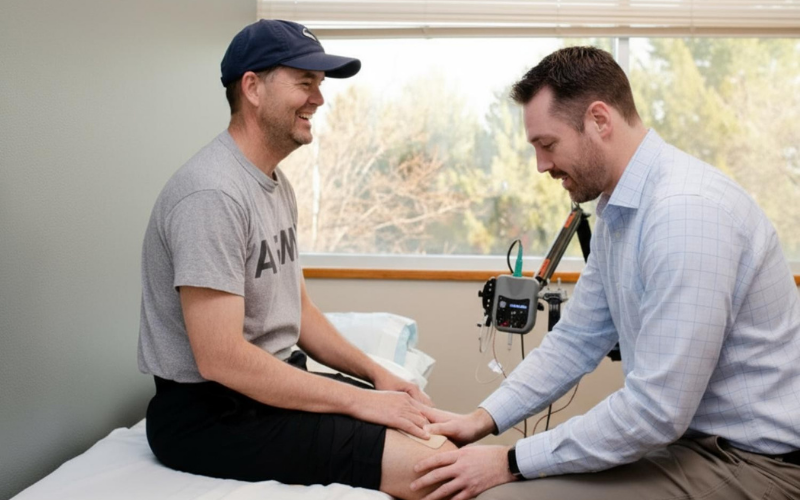
At Missoula Valley PMR, a specialized clinic for spine and musculoskeletal conditions, we offer advanced electromyography services to residents of Missoula seeking minimally invasive alternatives to surgery for back, spine, and joint discomfort. Our team takes pride in serving Montana residents with local expertise in pain and spine care.

Our mission is to enhance the quality of life and functional ability for individuals of all ages and abilities, including those living with disabilities, through comprehensive physical medicine and rehabilitation services. We are dedicated to improving independence and optimizing outcomes for every patient we serve.
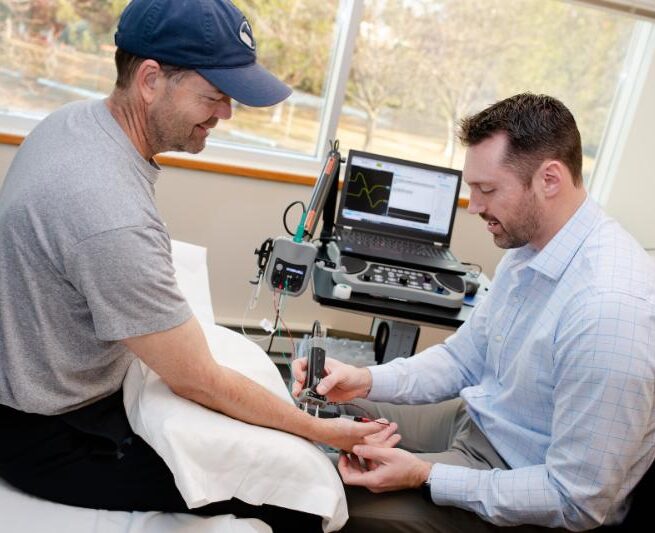
Man meeting with a physiatrist in a medical office

The Science Behind EMG

Electromyography (EMG) measures the electrical signals from nerves to muscles and evaluates muscle responses, providing a real-time view of neuromuscular function. Trained specialists use sensitive electrodes and advanced equipment to detect changes in these signals caused by nerve or muscle impairment.

This precise information enables clinicians to plan targeted treatments for joint and back pain, identify subtle nerve issues often overlooked by X-rays or MRIs, and streamline the diagnostic process, often providing comprehensive insights in a single session.
Why Choose Electromyography (EMG) and Nerve Conduction Studies (NCS) for Joint and Back Pain?

Compared to imaging tests, such as MRI, that look at nerve structure, EMG/NCS tests nerve and muscle function. EMG/NCS can help determine if there is a nerve problem that could be contributing to your symptoms. If there is a nerve problem, then testing can often help localize which nerve or nerves are involved and the severity of the injury.

Measuring nerve conduction and muscle responses, and determining the nerve function, can enable clinicians to create more precise and targeted treatment plans. Combined with medical history and prior imaging, EMG/NCS results help localize a potential nerve problem and often help patients begin effective treatment sooner.

One of the most significant benefits of Electromyography (EMG) and Nerve Conduction Studies (NCS) is their role in personalized patient care. Each person’s pain experience is unique, shaped by anatomy, lifestyle, and medical history. EMG/NCS captures this individuality by providing detailed data on nerve and muscle function.

This information helps you and your healthcare team make informed decisions about appropriate treatment options. Physical medicine recognizes that personalized care leads to better outcomes. At Missoula Valley PMR, our treatments focus on maximizing independence and quality of life by improving functional ability and overall well-being. Incorporating EMG/NCS helps determine whether your pain and symptoms are nerve-related and guides more specific and effective treatment decisions.

EMG/NCS can also help reduce unnecessary treatments. By identifying whether a nerve problem exists—and if so, determining which nerve is affected and how severe the condition is—these studies help minimize the risk of ineffective or unnecessary interventions.

Without clear diagnostic data, providers may rely on trial-and-error approaches to pain management, which can be frustrating and inefficient. EMG/NCS provides objective insight into nerve conditions, allowing treatment to be more focused, targeted, and effective.

Understanding the EMG Process: What to Expect During Your Visit

During your first EMG appointment, you’ll receive a comprehensive initial assessment and a clear explanation of the procedure, helping you understand why this first visit is important for accurate diagnosis and treatment planning

Walking into your EMG appointment in Missoula with confidence starts with knowing what to expect:

  • Initial Assessment: Your medical history is reviewed, prior imaging is examined, and any concerns are addressed.

  • Environment: Our clinic provides a calm, professional setting designed for patient comfort.

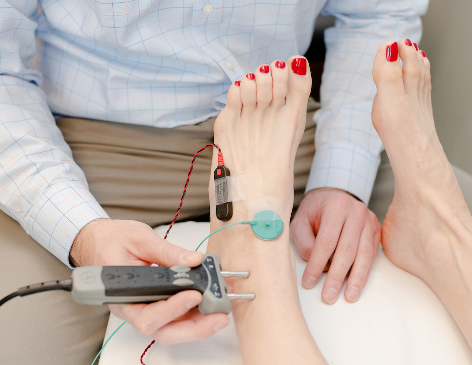
  • Nerve Conduction Study (NCS): Electrodes on the skin measure how quickly electrical signals travel through your nerves. This part is non-invasive and typically feels like a mild tingling.

  • Needle EMG: A thin, sterile needle electrode is inserted into specific muscles to record electrical activity. Most patients find the sensation similar to a brief pinch or muscle cramp.

Our specialists aim to make every step as comfortable as possible, and follow-up appointments or additional consultations with other specialties are arranged as needed to ensure comprehensive care.

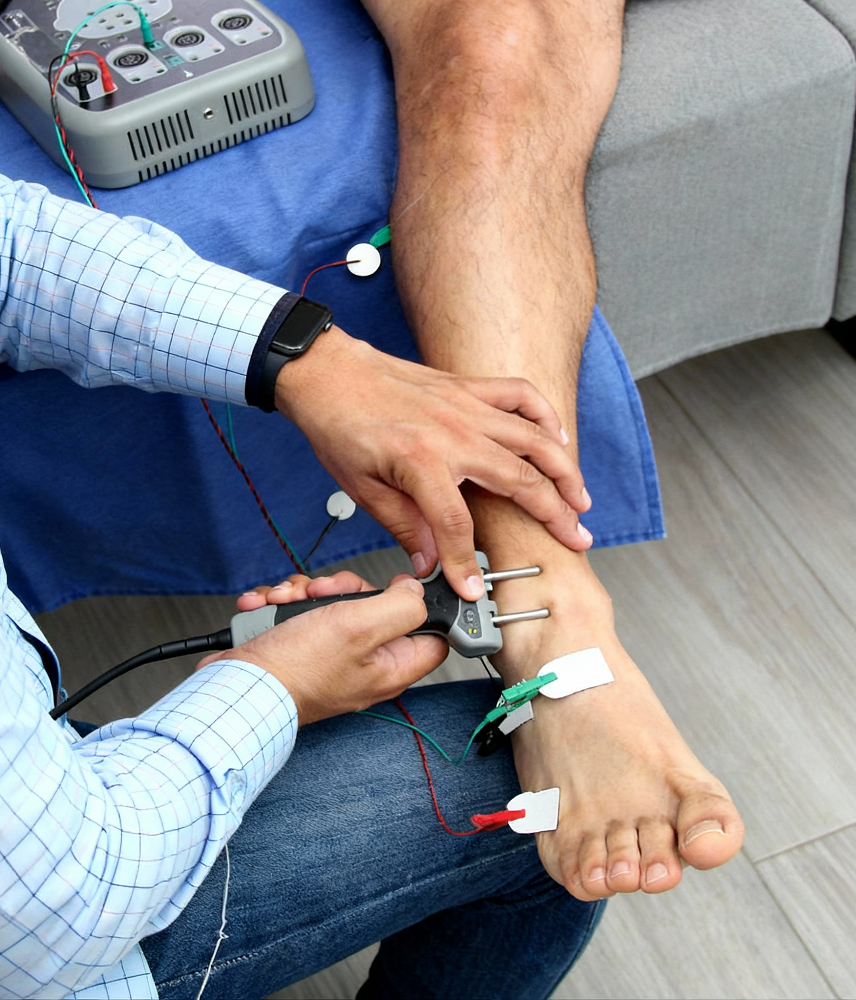
The EMG equipment at Missoula Valley PMR represents the latest in diagnostic technology. High-resolution monitors display real-time data on muscle and nerve function, enabling our specialists to identify abnormalities with remarkable precision. This advanced technology not only improves diagnostic accuracy but also enhances patient comfort.

Throughout your EMG, the specialist explains the process and findings, keeping you informed and engaged. The procedure typically lasts 30–60 minutes, depending on the areas tested and the complexity of your condition.

One unique advantage of EMG is the immediate availability of certain results. While full analysis may take a few days, preliminary insights are often shared right after testing. This quick feedback helps patients understand their condition and begin planning their next steps promptly, thereby reducing anxiety and uncertainty.

Exploring the Applications of EMG in Pain Management

EMG/NCS plays a foundational role in developing effective pain management strategies. At Missoula Valley PMR, we collaborate with multiple specialties, including neurology, orthopedics, neurosurgery, and more to provide comprehensive care.

EMG/NCS helps diagnose and guide treatment for conditions such as:

  • Nerve dysfunctions, including carpal tunnel syndrome, peripheral neuropathy, and radiculopathy

  • Muscle disorders, such as myopathy and inflammatory muscle conditions

  • Degenerative neuromuscular diseases, including ALS and muscular dystrophy

By pinpointing the source of pain or functional impairment, EMG/NCS enables our team to design tailored interventions, ranging from therapy to injections or minimally invasive procedures, for individuals with neuromuscular conditions. EMG-guided approaches play a crucial role in rehabilitation, supporting recovery and maximizing independence.

The most effective pain management strategies are individualized. EMG/NCS provides the detailed data needed to create customized treatment plans, helping patients and clinicians decide whether to pursue non-surgical options—such as physical therapy or injections—or consider surgical intervention.

These EMG-based treatment plans are especially beneficial for patients with physical impairments resulting from injury or illness, as they help guide care decisions aimed at improving function and overall quality of life.

EMG/NCS is valuable not only for diagnosis but also for monitoring progress and establishing prognosis. Follow-up testing objectively measures changes in nerve and muscle function over time, enabling clinicians to adjust care plans or better understand long-term recovery or impairment expectations.

Reassessment helps align treatment options with recovery goals, ensuring care evolves as the patient’s condition changes.

EMG in Missoula Valley Physical Medicine and Rehabilitation: Your Guide to Professional Care

Missoula Valley PMR is recognized as a leading provider of electromyography and neuromuscular diagnostics in the region. Our clinic combines advanced technology, specialized expertise, and patient-centered care to ensure accurate diagnosis and effective treatment for back and joint pain.

Our board-certified professionals undergo extensive training in neuromuscular medicine and electrodiagnostics. This expertise allows them to interpret EMG results in context, integrating findings with medical history and prior imaging for a comprehensive understanding.

EMG results are never viewed in isolation at Missoula Valley PMR. They inform holistic care plans addressing the immediate source of pain as well as contributing factors affecting long-term recovery.

Our multidisciplinary team may use EMG insights to:

  • Design targeted physical therapy programs
  • Guide precision injections based on nerve conduction findings
  • Recommend exercises for functional imbalances revealed by testing
  • Inform spasticity management strategies as part of comprehensive neuromuscular care

Give us a call today, you’ll be glad you did.

(406) 233-0899

Preparing for Your Electromyography Appointment

Preparation enhances both comfort and test accuracy. Patients should:

  • Maintain normal medication schedules unless advised otherwise

  • Wear loose, easily adjustable clothing

  • Avoid lotions or oils that may interfere with electrode placement

  • Stay hydrated and eat normally before the test

Mental preparation is also valuable. Understanding that EMG is diagnostic, not therapeutic, helps set expectations. Preparing questions in advance ensures you feel informed and confident.

Contact Us

If you’re struggling with chronic back or joint pain and need answers beyond conventional diagnostics, Electromyography at Missoula Valley PMR can provide the insights needed for effective treatment. Our team is committed to compassionate, comprehensive care that addresses the root cause of your discomfort.

Reach out to our friendly staff to learn more about EMG services, schedule your comprehensive evaluation, and take the first step toward understanding and resolving your pain.

FAQs

Most sessions last 30–60 minutes, depending on complexity and areas tested.

Discomfort is minimal. Nerve conduction may cause tingling; needle EMG feels like a brief pinch or cramp.

Preliminary findings are often available immediately; full reports are typically ready within a few days.

Most plans cover EMG when medically necessary. Our team verifies coverage and obtains authorizations in advance.

Some patients require a single diagnostic session, while others benefit from follow-up appointments to track their recovery.

Yes. EMG does not involve sedation, so patients can usually drive home safely.